
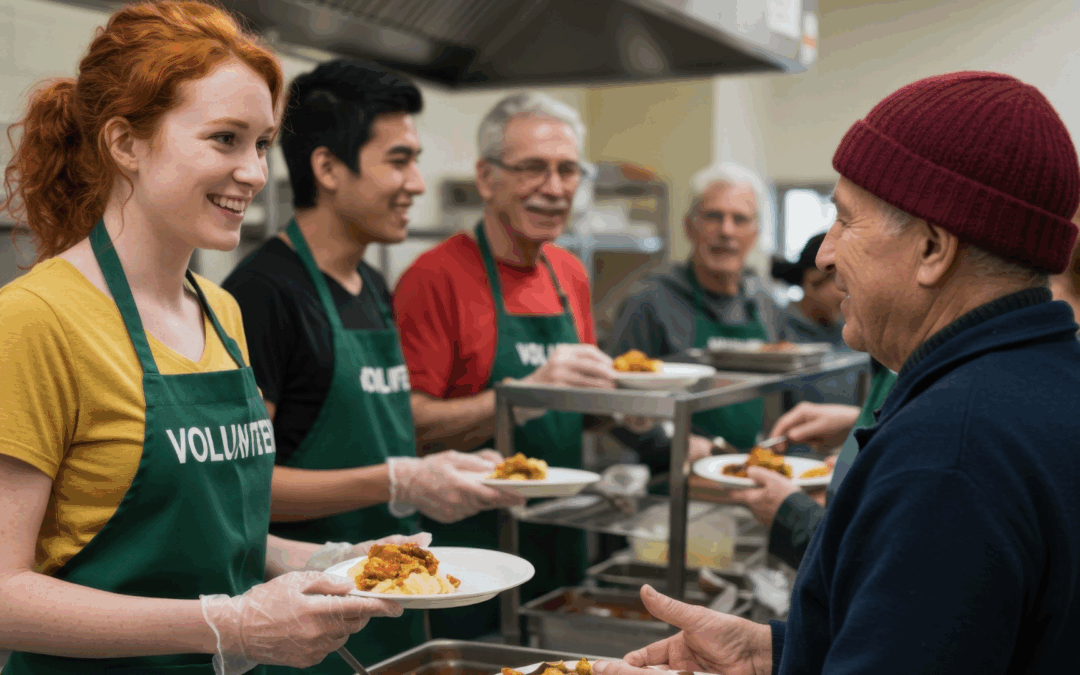
Nonprofits today are facing tighter budgets, increasing community needs, and rising expectations for digital communication. In 2026, your website is often the first place donors, volunteers, and families go to learn about your mission. A clear, trustworthy, and easy-to-use site isn’t a luxury—it’s essential.
The good news? A powerful nonprofit website doesn’t require a huge budget or a full-time tech team. These ten must-have elements will help you build trust, increase donations, and keep your community engaged.
1. Clear Mission Statement + Value Proposition
Your mission should be the very first thing someone understands when they land on your homepage.
Visitors should be able to answer three questions within seconds:
- Who are you?
- Who do you serve?
- Why does your work matter?
A simple 1–2 sentence mission statement placed at the top of your homepage sets the tone and builds immediate trust.
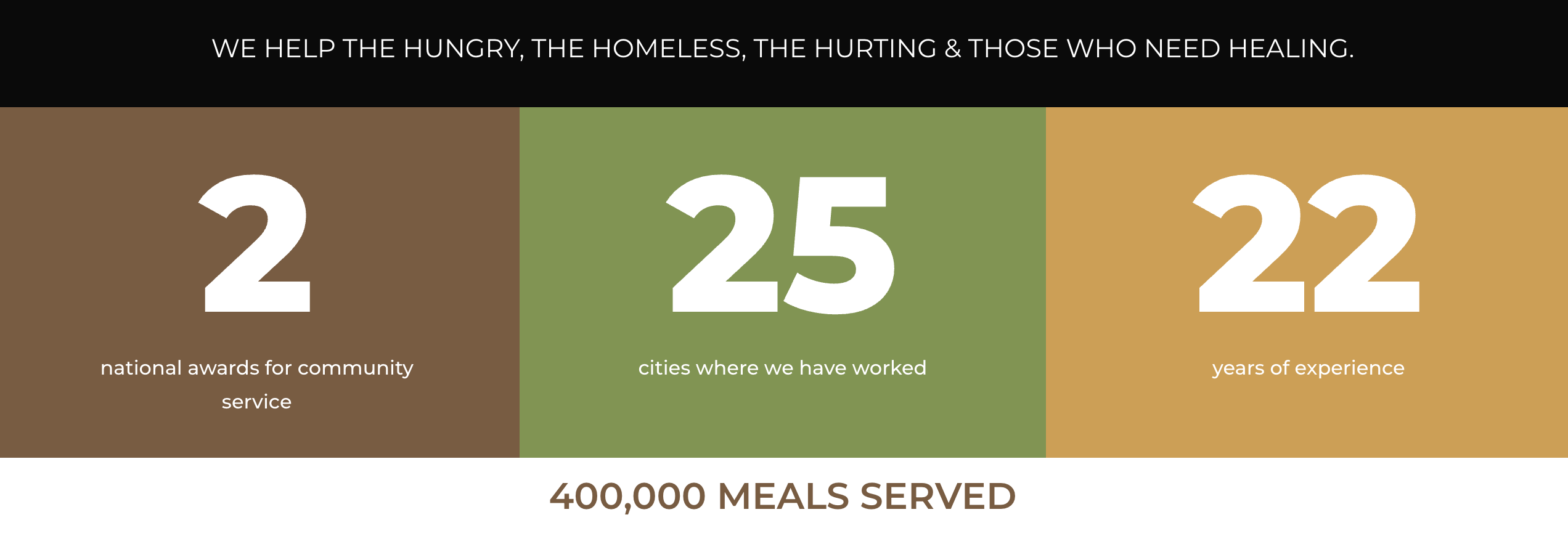
On Filling the Void‘s website, their purpose is very clear on the front page: We help the hungry, the homeless, the hurting & those who need healing.
2. Great Visuals That Tell Your Story
Photos and graphics do more than decorate your site—they communicate your mission in a way words can’t. To make a powerful message, use:
- Real photos of volunteers, events, and people you serve
- Clean, bright images that reflect your organization’s heart
- Short videos or banners that show your impact
Authentic visuals help visitors feel emotionally connected and more likely to support your cause.
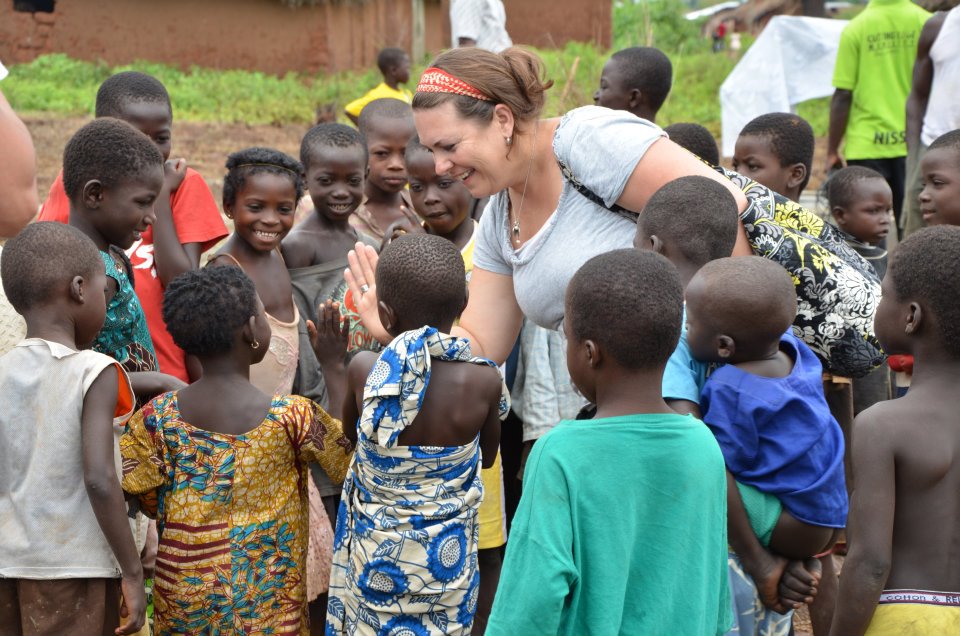
Denise Lopez on mission in Ghana West Africa. This is a visual she uses on her Everyday Ministry website.
3. A Clear Call-to-Action on Every Page
Don’t make supporters guess what to do next. Whether you want them to donate, volunteer, join your newsletter, or request help, the next step should always be obvious.
A strong CTA is:
- Simple and direct (“Donate Now,” “Volunteer,” “Get Help,” “Subscribe”)
- Visible on mobile
- Repeated throughout your pages
Every page should naturally guide a user toward the most important action.
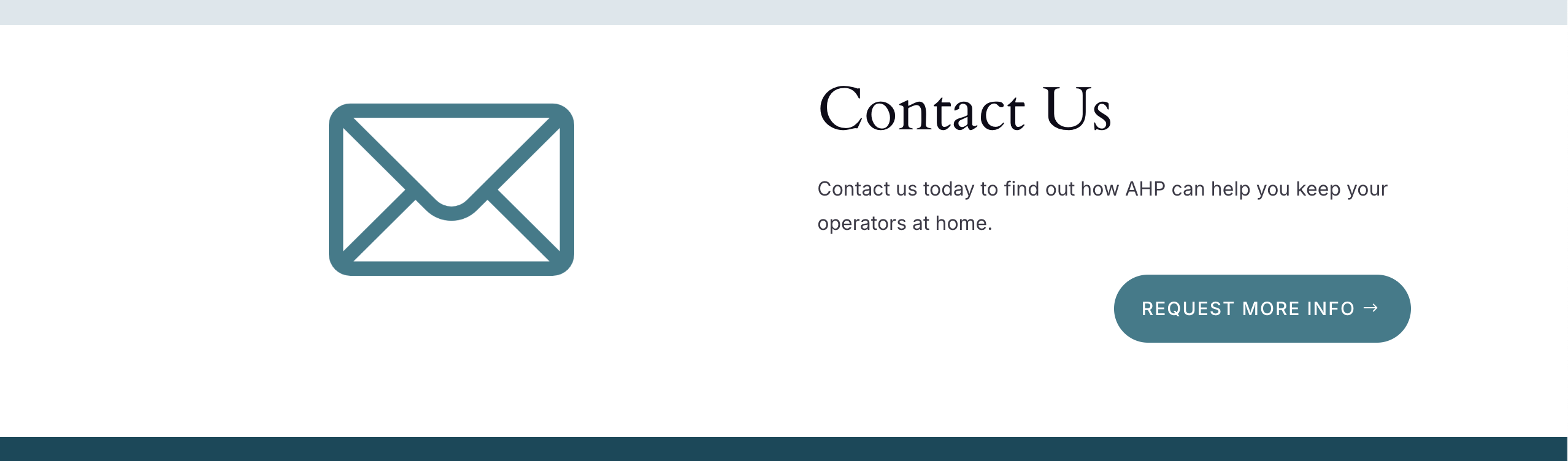
A clear call-to-action of contact appears on every page of At Home Productions website.
4. Simple, Secure Monetary Giving Options
Your donation page is one of the most valuable parts of your website. In 2026, donors expect a simple, fast, and mobile-friendly giving process.
A strong donation page includes:
- One clear message and a single CTA
- Suggested donation amounts
- A monthly giving option
- Minimal distractions
- Secure payment badges for trust
If the process is confusing or slow, visitors will abandon the donation—so keep it clean and focused.
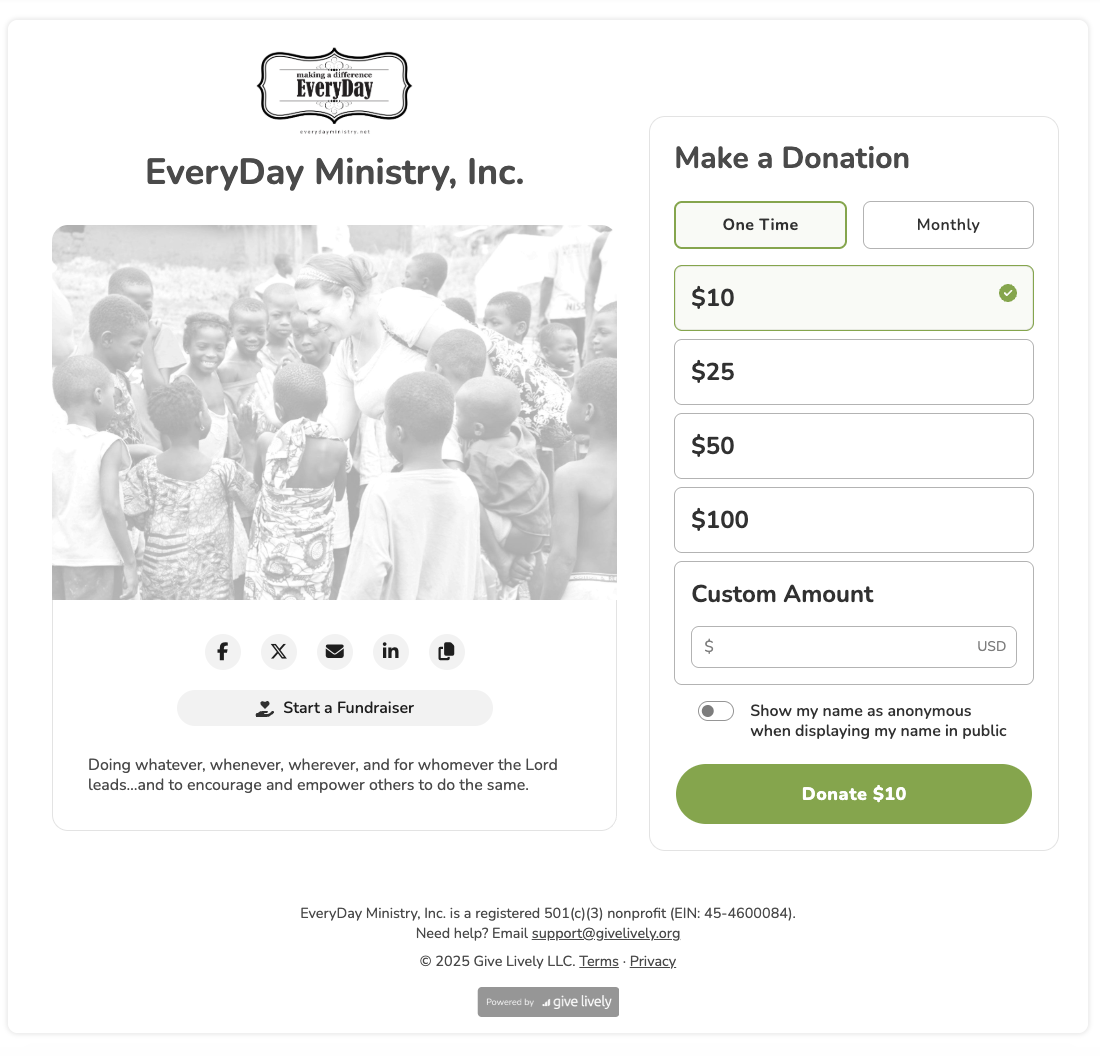
Use a simple donation page that does the job securely and simply, such as Everyday Ministry uses.
5. Mobile-Friendly, Accessible Design
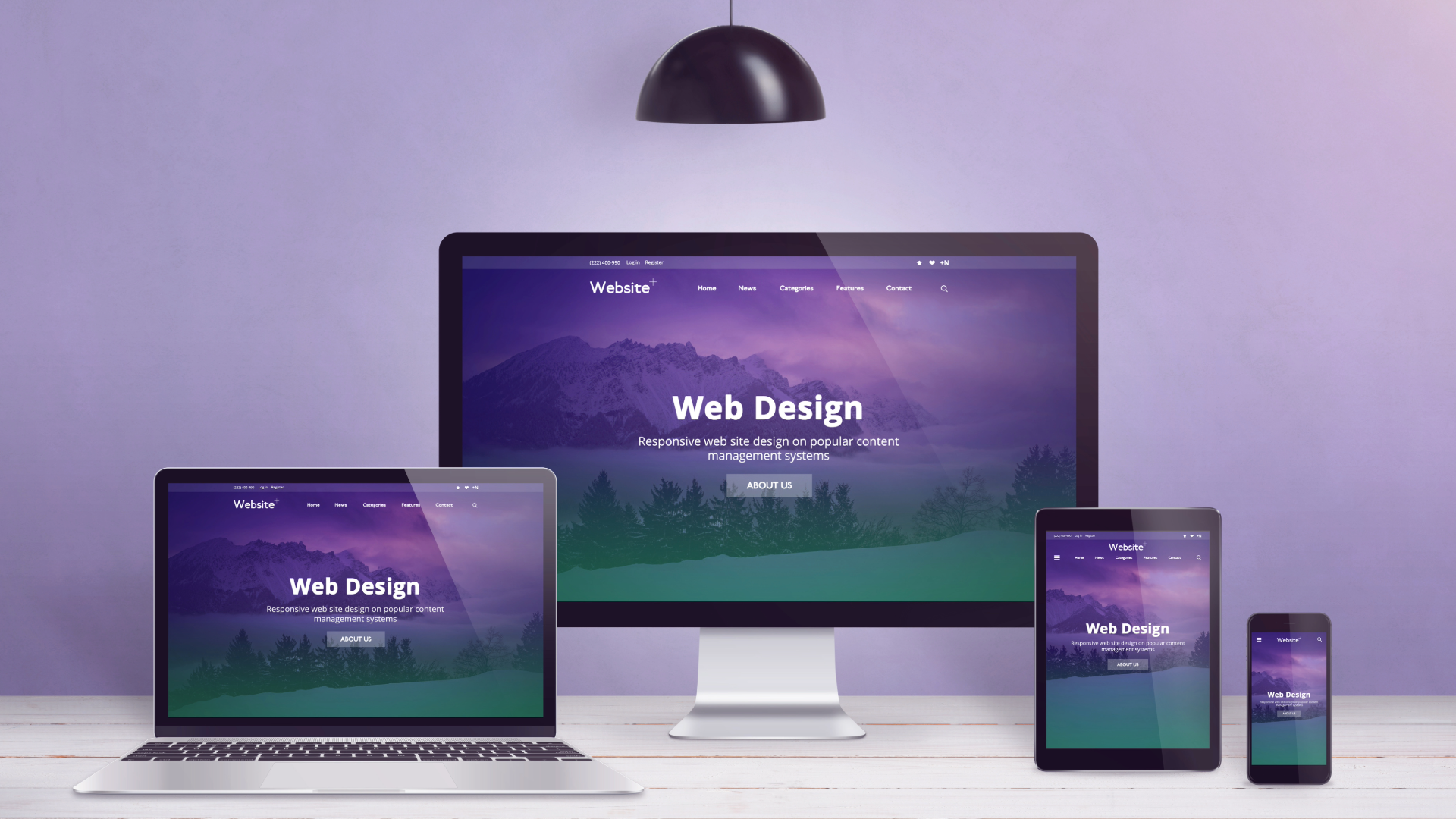
More than half of nonprofit website visitors browse on their phones. If your site doesn’t work well on mobile, you could lose volunteers, donors, and event participants.
Mobile-friendly design includes:
- Easy-to-read text
- Buttons large enough to tap
- Fast loading speed
- Simple menus
- Alt text for images
A mobile-first approach ensures your site is usable by everyone in your community.
6. Easy-to-Use Navigation
Your navigation menu acts like a roadmap. Clear, simple navigation helps people find information quickly—and reduces frustration.
A clean menu usually includes:
- Home
- About
- Programs
- Events
- Donate
- Contact
For larger nonprofits, consider using dropdowns or breadcrumbs so visitors can move through the site easily. When users can find what they need, they’re more likely to stay, explore, and get involved.
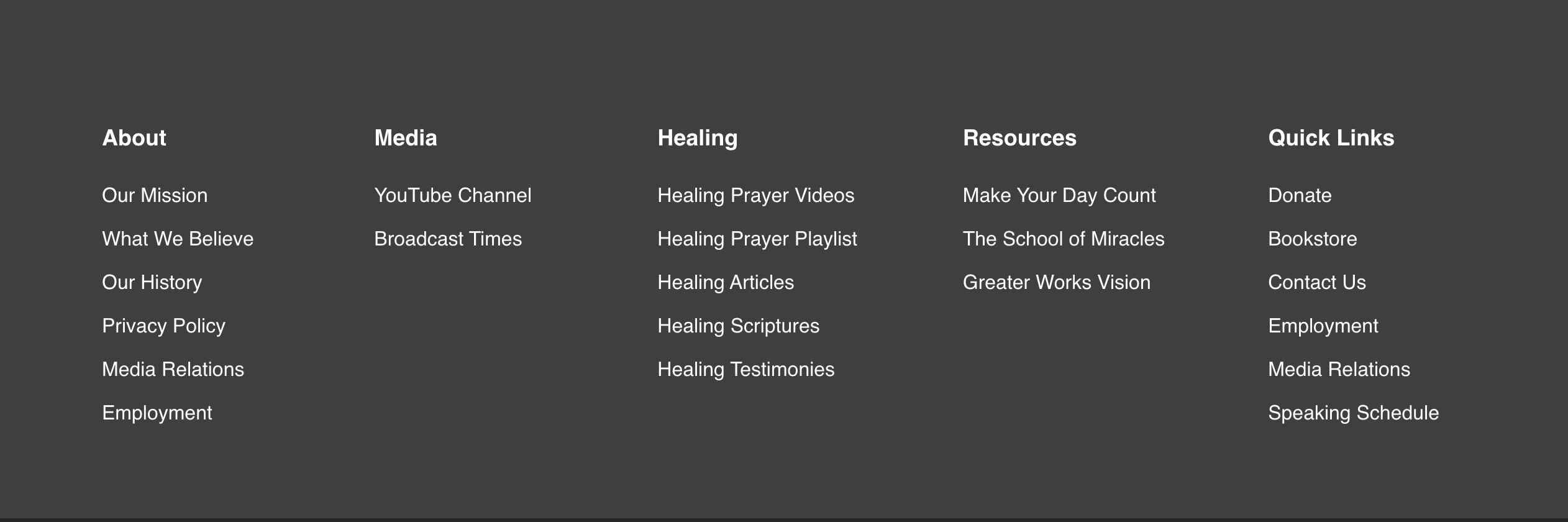
The footer menu on Richard Roberts Ministries website is easy to navigate, clear, and well-organized.
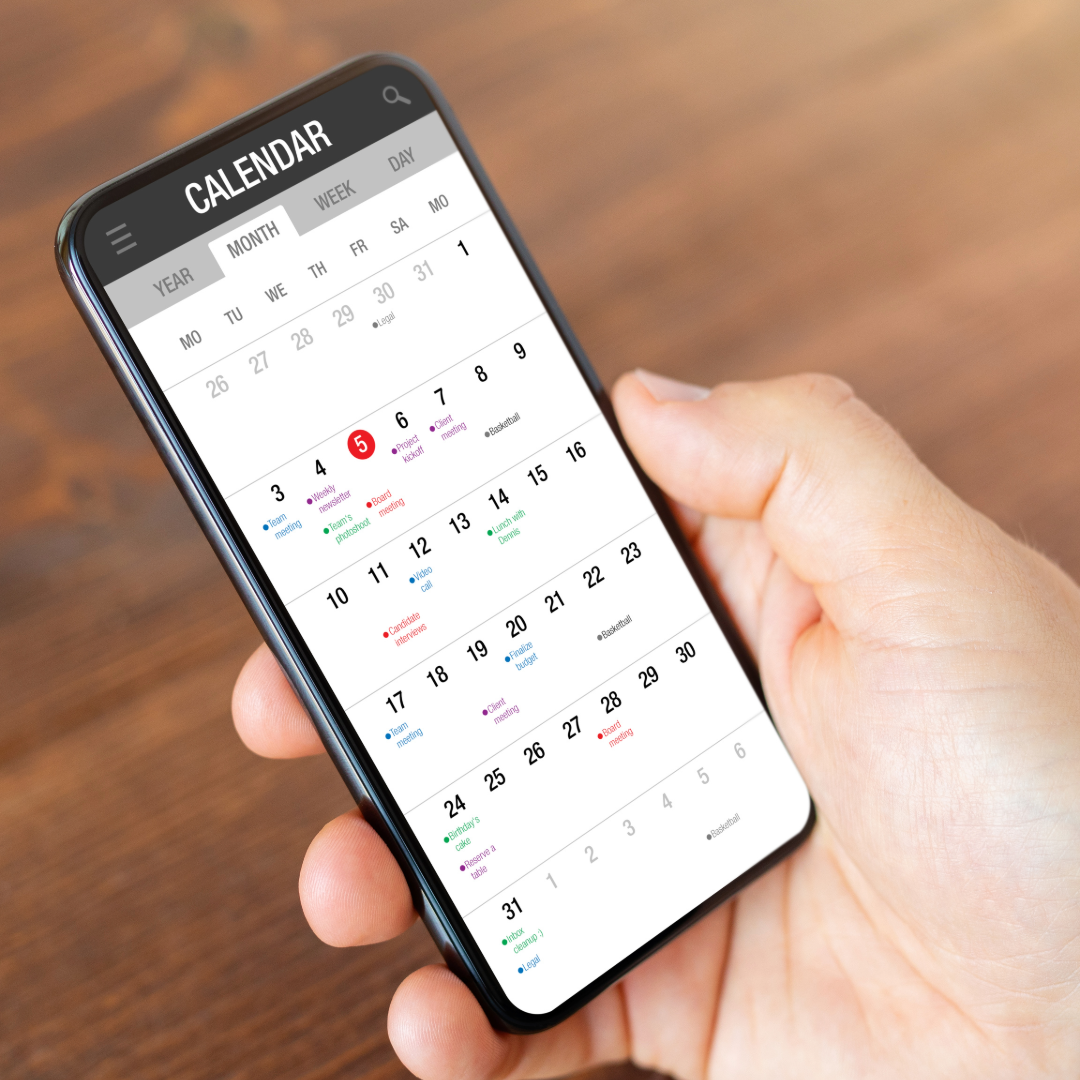
7. Up-to-Date Events & Programs Page
Supporters want to know your organization is active, relevant, and making a difference right now. An updated Events or Programs page helps:- Encourage volunteerism
- Inform families about services
- Build credibility with donors
- Reduce questions your staff must answer
8. Email Newsletter Signup (Mailing List Integration)
Email remains the most effective way for nonprofits to communicate with supporters. A mailing list helps you share updates, request donations, promote events, and celebrate wins.
Keep your signup form simple:
- Name
- Optional message field
Place it in your footer, on your homepage, and near event or donation pages for the best results.
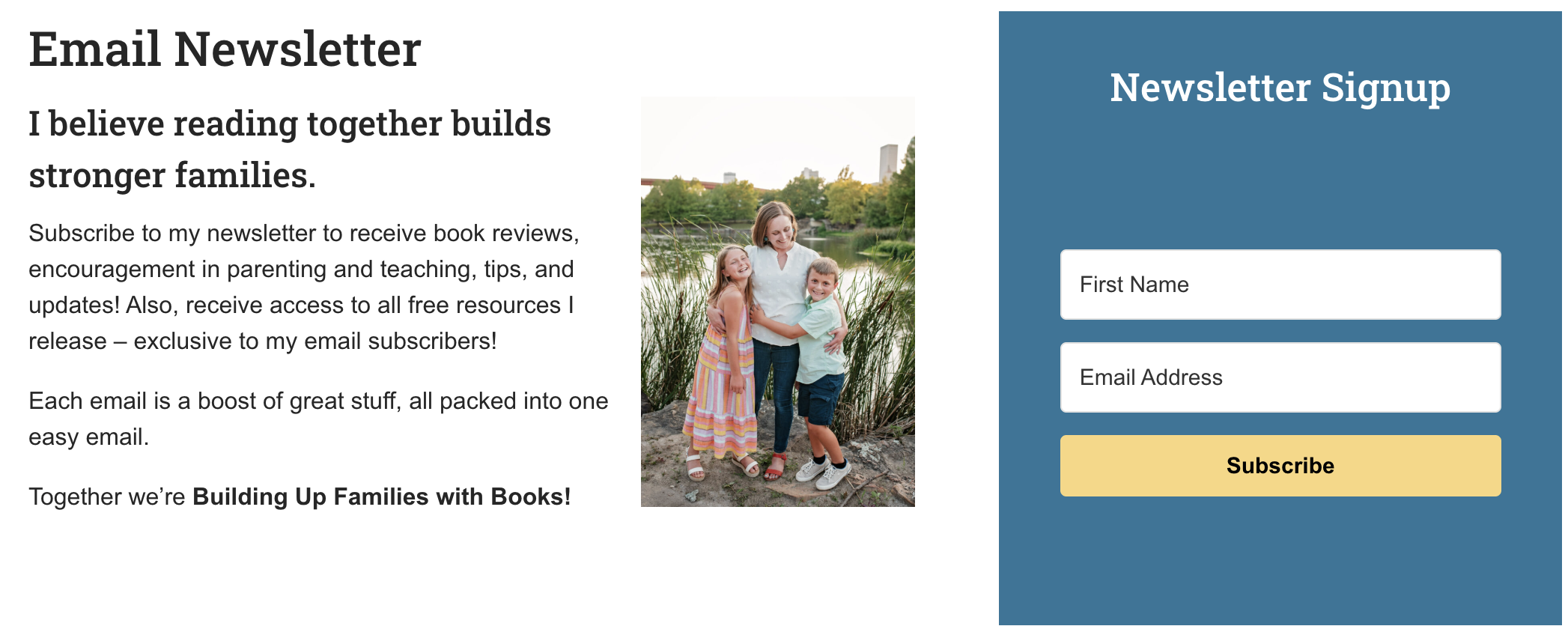
A newsletter signup should be simple and easy, as it is on Charlotte Glaze‘s website.
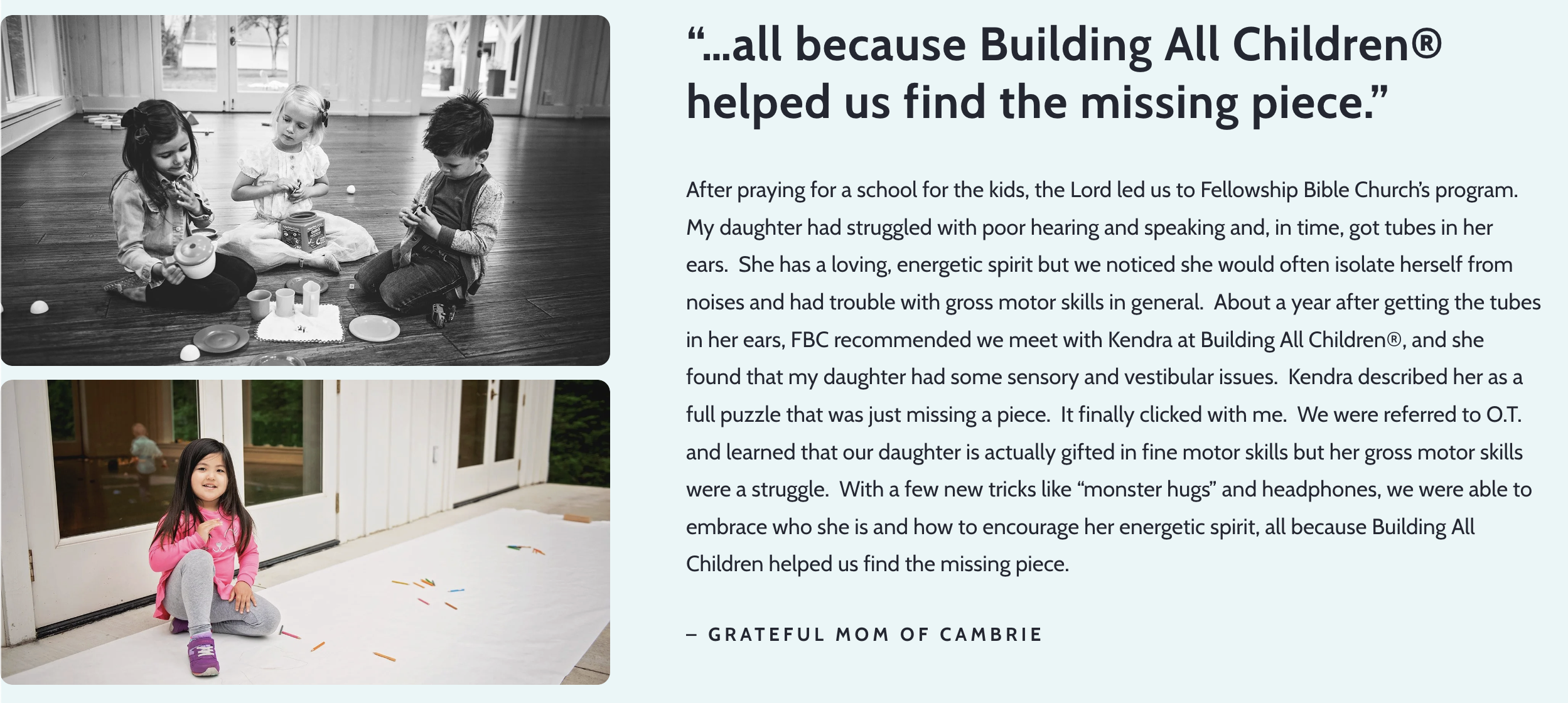
9. Testimonials & Social Proof
People trust people. Short quotes or stories from volunteers, donors, or individuals impacted by your programs add credibility and warmth.
Effective testimonials:
- Are short (1–3 sentences)
- Highlight real experiences
- Speak to the heart of your mission
Quotes, short stories, and even quick video clips can all build trust and encourage engagement.
10. SSL Certificate + Basic Security Measures
An SSL certificate is the little lock icon in your website’s address bar, and it’s absolutely essential for nonprofits—especially those collecting donations or personal information.
Why SSL matters:
- Creates a secure connection
- Builds trust with visitors
- Protects donor information
- Improves your Google search ranking
In 2026, visitors expect security. A site without SSL appears outdated and unsafe, which can hurt donations and engagement.
Website Design Trends for Nonprofits in 2026
A quick look at what’s rising in importance:
- Clean, minimal layouts
- Short-form storytelling video
- AI-assisted communication tools
- Local SEO (important for community-focused nonprofits)
- Mobile-first donation experiences
These trends can help nonprofits stay ahead without overwhelming their team.
Need Help Improving Your Nonprofit Website?
If your nonprofit would like a free website consultation or mini audit, I’m happy to review your current site and recommend the highest-impact improvements based on your goals and budget. No pressure—just helpful insights.
Contact Meira Media
Conclusion
A modern nonprofit website doesn’t have to be complicated or expensive. With these ten essential features in place, your organization can build trust, attract new supporters, and better serve your community in 2026 and beyond.
Just as a recap, the Top 10 Elements for a Non-Profit Website are:
- Clear mission statement
- Great Visuals
- Clear Call-to-Action
- Simple, Secure Giving
- Mobile-Friendly, Accessible Design
- Easy-to-Use Navigation
- Up-to-Date Events Page
- Mailing List
- Testimonials and Social Proof
- Security
If you’d like help strengthening your site, feel free to reach out—I’d love to support your mission. Meira Media has helped a number of non-profit and for-profit businesses and organizations take their website to the next level. Let me know how I can help you!